



OUR MISSION
OUR PROGRAM

OUR PLAN
OUR PROGRESS AND IMPACT REPORT
CHECK OUT OUR 2024 IMPACT REPORTPillars


What do we mean by Natural Origin Ingredients?
We consider an ingredient to be naturally derived (or natural origin) if it is unchanged from its natural state or has natural sources and has undergone processing, yet still retains greater than 50% of its molecular structure from natural plant or mineral sources. Naturally derived (or natural origin) ingredients start with natural materials, but are then changed from their natural state; this means that naturally derived (or natural origin) ingredients can include synthetic ingredients that are made from materials found in nature.
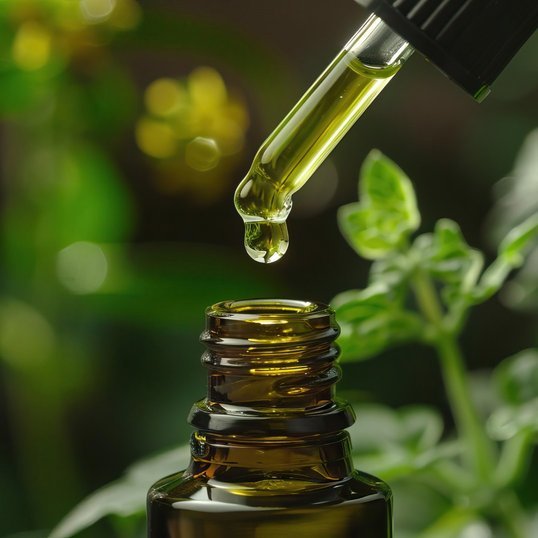
An example is when we take a natural material, like jojoba oil, and process it to derive hydrogenated oil to ensure the stability of the ingredient and modify its texture. Because 50% of the molecular structure of the hydrogenated jojoba oil comes from plant or mineral sources, hydrogenated jojoba oil, although chemically processed, is a naturally-derived (or natural origin) ingredient. We then total up the percentage by weight of each ingredient to figure out the percentage that is naturally-derived (or natural origin), including water. For example, if 60% of a formula is water, and 36% of the formula are naturally-derived ingredients, we label it as 96% naturally-derived (or natural origin). The remaining ingredients constitute the other 4% of the formula, and are there to ensure its sensoriality, efficacy and/or preservation.
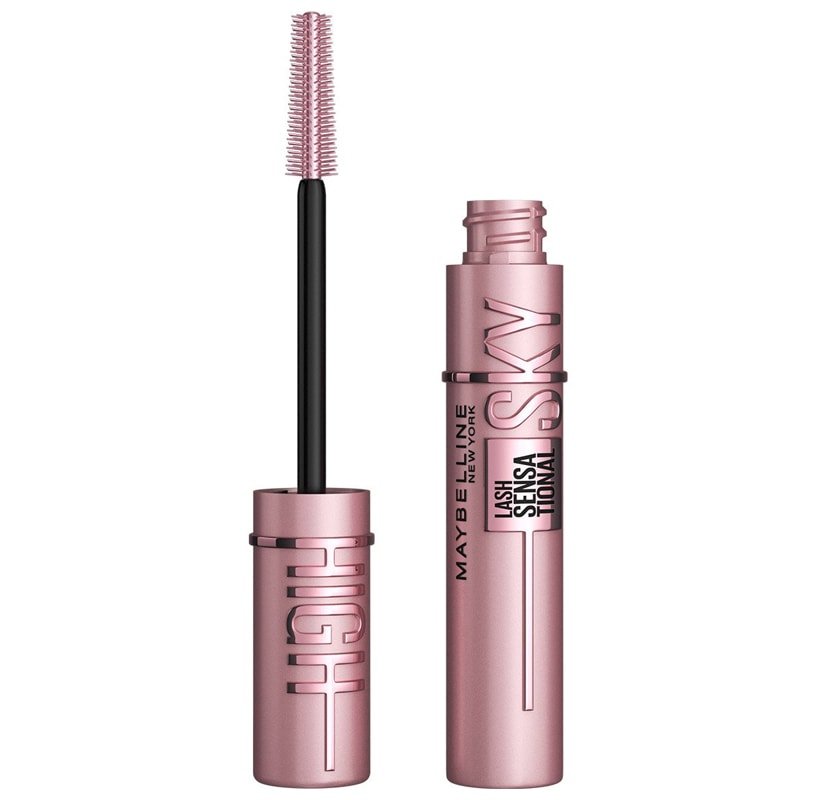
BOTTLES MADE FROM 100% POST-CONSUMER RECYCLED PLASTIC (EXCLUDING WIPER)
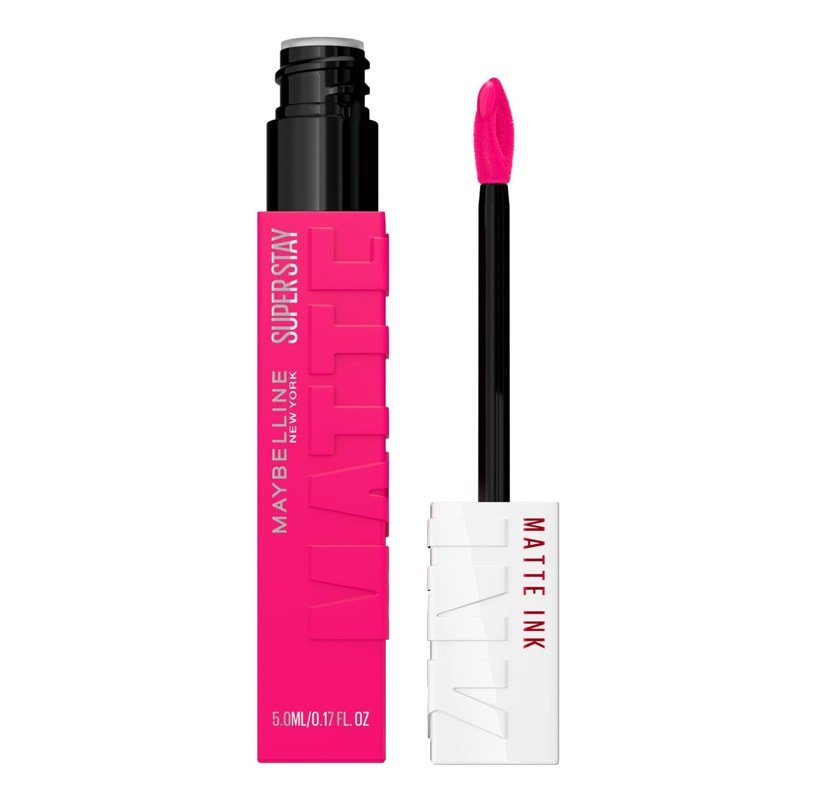
BOTTLES MADE FROM 100% POST-CONSUMER RECYCLED PLASTIC (EXCLUDING WIPER)
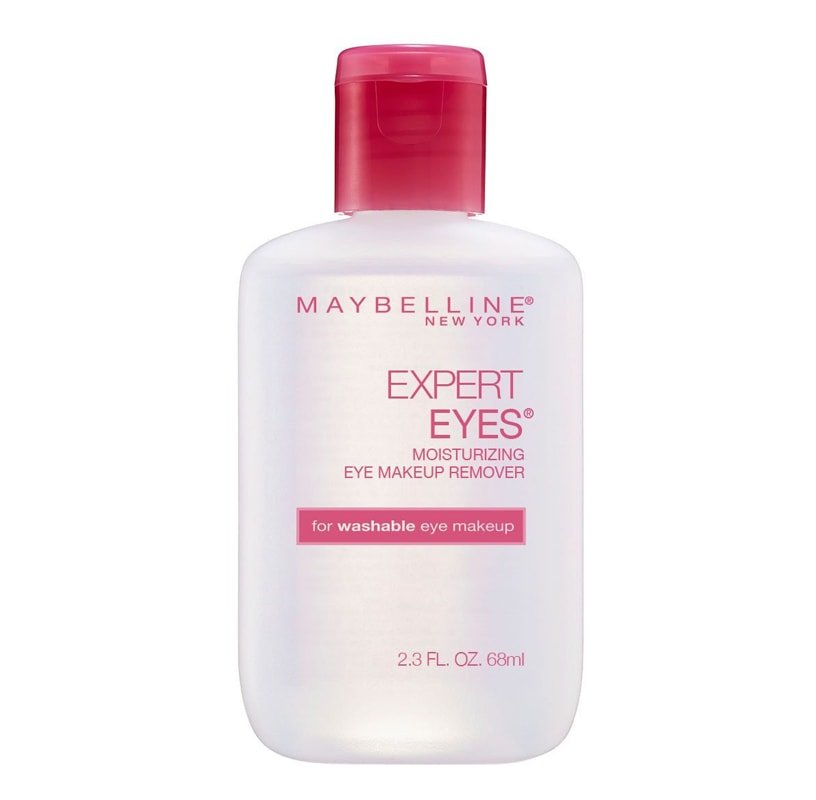
BOTTLES (WITHOUT CAPS) MADE FROM 100% POST-CONSUMER RECYCLED PLASTIC

FAQs
What issues are you facing to make your products more sustainable?
How are you measuring progress?
Does Maybelline NY use any sustainably sourced ingredients?
This approach ensures that these ingredients come from supply chains which respect biodiversity and help limit their environmental impact.
What does “bio-based” mean for Maybelline NY?
Among the practices of Green Science are the careful cultivation, transformation and formulation of ingredients using practices that help lower the environmental footprint and minimize chemical use.
This approach ensures that these ingredients come from supply chains which respect biodiversity and help limit their environmental impact.
What is the difference between natural and synthetic ingredients? Are synthetic ingredients safe?
All our products whether formulated with synthetic ingredients, natural-origin ingredients or otherwise, are subject to strict evaluation of their safety, taking into account the conditions of use: usage, frequency and dosing of ingredients.
All of Maybelline’s products must pass a rigorous expert-led evaluation process lead by our Research & Innovation facilities to ensure adherence to our safety standards. We have a deep knowledge of raw materials including understanding their quality and origin. We work with a variety of experts to thoroughly assess raw materials to ensure their safe use in finished products. Next, we perform a variety of product tolerance tests with specialized third-party laboratories and research centers to validate their safety.
To learn more about what’s in your favorite Maybelline products, visit INSIDE OUR PRODUCTS.
Among the practices of Green Science are the careful cultivation, transformation and formulation of ingredients using practices that help lower the environmental footprint and minimize chemical use.
This approach ensures that these ingredients come from supply chains which respect biodiversity and help limit their environmental impact.